
• Connecting Speakers with Audiences™

Public Presentation

Headshot of Chester Santos, International Man of Memory, on an orange background

How to Make Yourself and Your Events More Memorable: Tips from the World’s Leading Memory Skills Expert

How to Make Yourself and Your Events More Memorable: Tips from the World’s Leading Memory Skills Expert 1200 627 I Need A Speaker

In the world of public speaking, the ability to captivate an audience and create lasting connections is invaluable. Chester Santos, U.S. Memory Champion and globally recognized memory skills expert, has spent years showing people how to unlock the full potential of their minds. His unique blend of education and entertainment has helped thousands of individuals — from executives to event attendees — discover how powerful memory techniques can transform the way they present, connect with others, and leave a lasting impression. But did you know that a strong memory can also enhance your presentation skills? In this interview, Chester is sharing his insights into how memory skills can elevate public speaking, enhance storytelling, and make events truly unforgettable.

INAS: How can memory skills help public speakers deliver more engaging and impactful presentations?

CS: When you can reduce the amount of notes and slides that you use when speaking so that you can maintain eye contact with your audience, it helps you to better demonstrate your knowledge and expertise. It also helps you to build a better connection with your audience and be much more engaging as compared to a speaker that just reads a bunch of slides, charts, graphs, etc.

INAS: What strategies do you recommend for speakers who want to recall key points without relying on notes?

CS: Visualization is hugely helpful for this. During my interactive keynote programs, I take the audience through a fun visualization exercise that has them memorizing key points of a speech without them even realizing it at first. It’s an entertaining experience that ends up having real world business and career applications that audience members can use immediately following the keynote.

INAS: How does a strong memory improve storytelling and audience engagement?

CS: When you work on developing your memory skills, visual storytelling is a part of the process. As you develop a stronger memory, you will inevitably become a better storyteller and thus will become a more engaging speaker.

INAS: What’s the biggest challenge speakers face when trying to present from memory, and how can they overcome it?

CS: It’s mainly the belief that they don’t have a strong enough memory to pull this off, so they can’t get away from relying too much on slides and notes. Just a small amount of memory skills development will help speakers to realize how fun and easy it can be to give speeches from memory. I’ve helped many executives to become better speakers by relying less on notes and slides.

INAS: How can event planners incorporate memory training into their conferences or workshops to make them more interactive?

CS: Hire me! 🙂 It’s seriously one of the coolest, most unique, most valuable, and most “memorable” things you could ever do for your event. People attend conferences and business meetings for 2 main purposes: education and networking. You’ll give your attendees much more ROI from their time and money spent on attending if you empower them with the memory skills to actually retain and recall the valuable nuggets of wisdom presented at the conference. Also, one of the first steps in making a new friend is learning to call them by their name. Attendees will get more out of the wonderful experience of meeting new people and networking if they can better the names of people they meet. Given that my keynotes are also super entertaining and fun, it’s a no-brainer that this is an interactive component that event planners should definitely consider for their conferences.

INAS: How does a well-trained memory improve networking at conferences and professional events?

CS: When you can remember people’s names and things about them, it’s incredibly powerful and can help to build better relationships. It also feels really good, especially compared to the uncomfortable feeling that can come with not being able to remember someone’s name. Having memory skills greatly enhances the overall experience of networking at conferences. Once you attend one of my interactive keynote experiences, you’ll actually start to look forward to attending conferences even more than you used to, because the process of making new friends becomes even more enjoyable when you can remember everyone’s name. This unique ability will also help to make you more popular and more “memorable”.

INAS: What are some creative ways event organizers can use memory techniques to make their events more memorable?

CS: Once you have a deeper understanding of how human memory works, you can then apply important principles to make information not only more memorable to yourself, but also to others. I studied both biological and cognitive Psychology at Berkeley, and I take all of that knowledge along with what I learned in becoming a national memory champion, to help event organizers learn some of the most important components of what makes things memorable. One that I can describe briefly here is the psychological appeal of things that are strange, weird, and extraordinary. If you were to for instance serve slices of cake for dessert that were in the shape of the company’s logo and that have a very unique flavor like Durian from Southeast Asia , that would be very memorable and likely to be talked about afterward as opposed to just a regular slice of cake. There’s much more to it with other components, and I explain this and impart the deeper knowledge through fun exercises in my keynote, but this brief example should give you an idea of the concept.


Memory is more than just a personal tool — it’s a gateway to better communication, stronger connections, and a more enriching event experience. Chester Santos’ engaging keynotes provide attendees with immediately applicable skills that boost confidence, improve networking, and add immense value to any gathering. Whether you’re an event planner seeking an interactive component or a speaker looking to deliver your most impactful presentation yet, Chester’s expertise offers a truly memorable solution. Unlock the hidden power of your mind, and watch your personal and professional interactions flourish like never before.
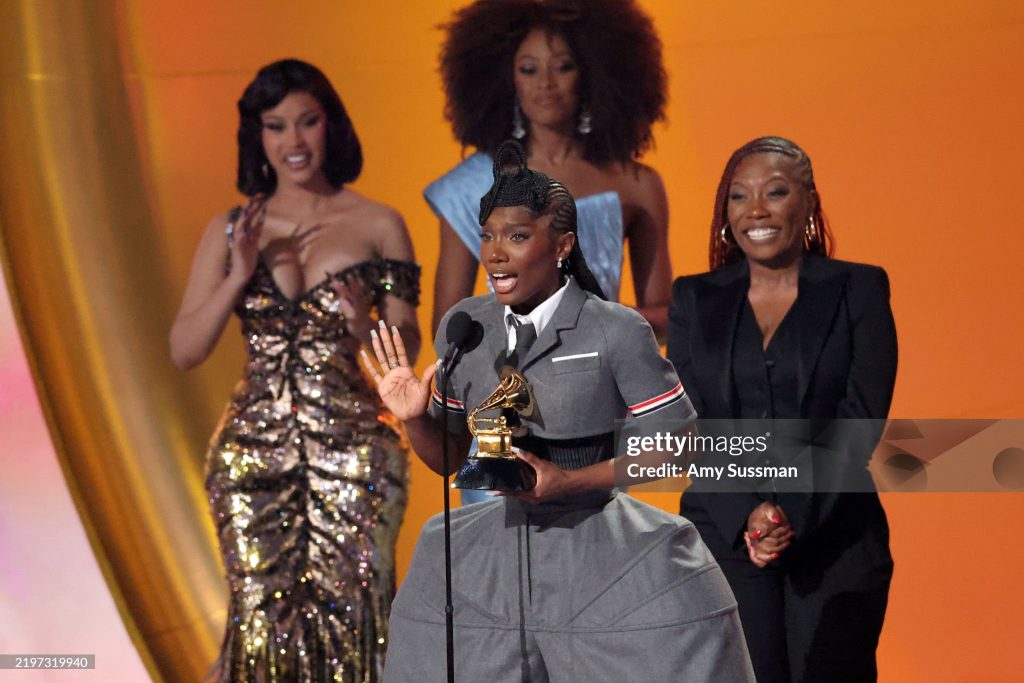
 

Mastering the Moment: Key Speaking Lessons from Doechii’s Grammy Speech

Mastering the Moment: Key Speaking Lessons from Doechii’s Grammy Speech 2048 1365 I Need A Speaker

Featured Image by Amy Sussman/Getty Images for The Recording Academy

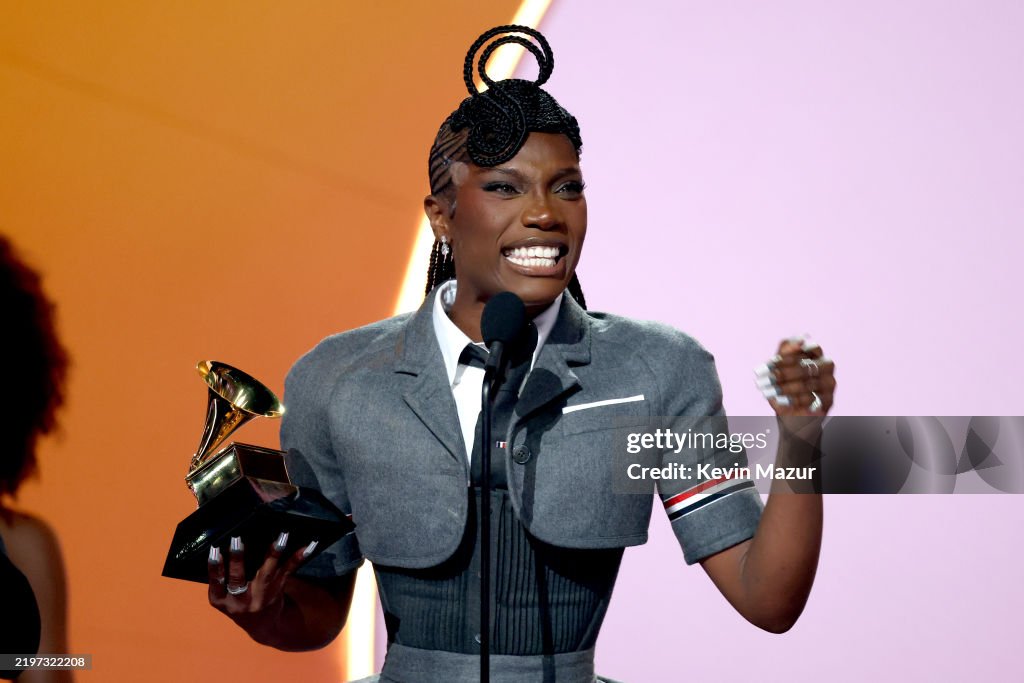
When Doechii took the stage to accept her Grammy for Best Rap Album, she delivered more than just a thank-you speech – she gave a masterclass in authentic public speaking. Her emotional two-minute address showcased several techniques that speakers and event planners can learn from, particularly when it comes to crafting moments that resonate long after the event ends.

The Power of Historical Context

Doechii opened by placing her achievement within a larger historical framework, noting she was only the third woman to win the category since its inception in 1989. This strategic context accomplished two things: it established the significance of the moment and created an immediate connection with the audience. For speakers, this demonstrates how weaving relevant historical context into your opening can instantly capture attention and establish credibility.

Vulnerability as Strength

What set Doechii’s speech apart was her willingness to be vulnerable. She spoke openly about her journey to sobriety and the personal challenges she faced, creating an authentic emotional connection with her audience. This reminds us that polished doesn’t always mean perfect – sometimes, letting your guard down and showing genuine emotion can be more impactful than a flawlessly delivered script.

The Local-to-Global Connection

By proudly identifying as Tampa’s “swamp princess,” Doechii demonstrated the power of embracing your roots while speaking to a global audience. She used her platform to advocate for her hometown’s talent, showing how speakers can effectively bridge personal experience with broader advocacy. This technique works particularly well for keynote speakers who want to make their message both personal and universal.

The Art of Repetition and Rhythm

Notice how Doechii built momentum through intentional repetition: “Anything is possible. Anything is possible.” She followed this with a series of statements addressing common stereotypes, each beginning with “that you’re too…” This rhythmic repetition created a crescendo effect that energized her message. While such repetition might not follow strict grammatical rules, it creates a powerful emotional cadence that speakers can employ for impact.

Transforming Personal Victory into Universal Inspiration

Perhaps the most masterful element of Doechii’s speech was her pivot from personal achievement to universal inspiration. By directly addressing “some Black girl out there watching,” she transformed her moment of triumph into a beacon of possibility for others. This technique of zooming out from personal success to inspire others is particularly effective for speakers at awards ceremonies, graduation addresses, or any platform where personal achievement can be leveraged for broader inspiration.

LOS ANGELES, CALIFORNIA – FEBRUARY 02: Doechii accepts the Best Rap Album award for “Alligator Bites Never Heal” onstage during the 67th Annual GRAMMY Awards at Crypto.com Arena on February 02, 2025 in Los Angeles, California. (Photo by Kevin Mazur/Getty Images for The Recording Academy)

Event Planning Insights

For event planners, Doechii’s speech offers valuable lessons about creating memorable moments:

  1. Consider how the physical setup can enhance emotional moments. Notice how having Doechii’s mother on stage added an extra layer of emotional resonance to the speech.
  2. Plan for spontaneous standing ovations. The audience’s reaction was as much a part of the moment as the speech itself.
  3. Remember that sometimes the most powerful moments are unscripted. While preparation is crucial, leaving room for authentic emotion can create magic.

The Takeaway

Doechii’s Grammy speech reminds us that even brief speaking opportunities can become powerful moments of connection and inspiration. By combining personal narrative, historical context, and a clear message of hope, speakers can transform any platform – whether it’s a Grammy stage or a corporate podium – into an opportunity to make a lasting impact.

For speakers and event planners alike, the key lesson is clear: authenticity, when paired with purposeful structure and genuine emotion, creates moments that not only resonate with the immediate audience but ripple out into the wider world through social media and word of mouth.

In an era where audiences crave authentic connection more than ever, Doechii’s speech serves as a blueprint for how to deliver remarks that are both personally genuine and universally inspiring.

Headshot of Jeannine Luby, comedian and speaker, on an orange background with the I Need A Speaker Logo; De-Stress Before Speaking

De-Stress Before You Impress: A Speaker’s Guide to Pre-Performance Calm with Jeannine Luby

De-Stress Before You Impress: A Speaker’s Guide to Pre-Performance Calm with Jeannine Luby 1200 627 I Need A Speaker

Sweaty palms? Racing heart? Every speaker knows that familiar flutter of butterflies before stepping onto the stage. Let’s face it: stress might be an unwanted guest at your speaking engagement, but it doesn’t have to steal the show. We spoke with Jeannine Luby, president of Laugh to Live, LLC, about practical ways to de-stress and shut down those pre-speaking nerves. 

De-Stress with Natural Movement

What is Luby’s favorite way to de-stress?

“My favorite ways to de-stress, generally speaking, are to exercise outdoors–whether that’s hiking or kayaking at the state park or running or walking through the streets of Scranton– and to laugh. Given that I founded my business Laugh to Live with the mission of spreading healing laughter, I do practice what I preach. Laughter is great because it lowers our stress hormone cortisol.”

For speakers, maintaining a regular outdoor exercise routine can build a foundation of resilience that’s beneficial when presentation day arrives. The combination of physical activity and nature exposure creates a powerful stress-busting experience that can help regulate your nervous system long before you face your audience. (1)

Write It Down

But what about those crucial moments before stepping onto stage? Luby has a simple yet powerful technique: 

“I like some quiet time alone to take a few deep breaths and hand write short notes for my presentation or my comedy set. This is a tip I used to give students when I taught college communications classes. Research shows that when we handwrite notes rather than type them, we engage our brain in a way that helps us remember information better; there is something about the muscle movement of writing that helps us build memory; and the act of holding a pen and writing ideas on paper makes it a more personal experience.(2)

Put It Into Practice

Before your next speaking engagement, try Luby’s two-part approach:

  1. Make time for outdoor exercise in the days leading up to your presentation to build your stress resilience
  2. Create a quiet pre-speaking ritual that includes deep breathing and taking a moment to write down your key points

The goal isn’t to eliminate stress completely. Instead, focus on transforming any nervous energy into focused enthusiasm that will engage your audience.

By combining physical activity with mindful preparation, you’re not just managing stress – you’re setting yourself up for an authentic, confident delivery that will resonate with your audience.

Want to book Jeannine Luby for your next event? Email info@ineedaspeaker.com for availability and booking.

Turn Your Presentation Nightmares into Speaking Success with Alexander Kelley

Turn Your Presentation Nightmares into Speaking Success with Alexander Kelley

Turn Your Presentation Nightmares into Speaking Success with Alexander Kelley 3750 1959 I Need A Speaker

We’ve all survived presentation nightmares – slides haunted by rainbow text, speakers who never look up from their notes, and endless bullet points that multiply like creatures in the dark. 

But what if these scary presentation mistakes could be transformed into powerful learning opportunities? That’s the innovative thinking behind the “Worst Presentation Ever” assignment created by Alexander Kelley, a middle school teacher at Bedford School District.

In this interview with I Need A Speaker, Alexander reveals how intentionally creating frightfully “bad” presentations helps his students understand what makes presentations effective. His creative approach proves that sometimes the best way to learn the rules is to break them first.

INAS: Can you explain the “Worst Presentation Ever” assignment?

AK: For the ‘Worst Presentation Ever’ assignment, students were asked to make a powerpoint that used as many poor presentation elements as possible. We began by watching a clip from a standup routine by comedian Don McMillan where he shows off some common powerpoint mistakes. 

Then, students shared what they saw in the clip and described what was so terrible. They were asked to create a powerpoint that would be shared with incoming students with information about our school, but in the worst way possible. (These Power Point decks will not be shared with incoming students.) 

Students used colors that clashed, hard to read fonts, poorly sized images, and more. Students love the opportunity to do something they’re not supposed to, so they eagerly began filling their slides. While they were creating their presentations, they were finding ways to explain rules, norms, and facts about our school.

INAS: Where did you get the inspiration for this project?

AK: This project was inspired by one of my mentor teachers who has done this project for several years. It is a great way for students to learn presentation skills in a fun way. It is important for students to learn presentation skills, but it can be boring. By allowing them to do all the ‘wrong’ things, students seize the opportunity to become better presentation makers. 

If you give students a list of powerpoint rules: 12 point Times New Roman, one image per slide, must have 3 bullet points, etc., they’re going to forget everything you told them the minute they leave the classroom. However, by giving them the freedom to do the ‘wrong’ things, they were fully engaged in learning about what makes Power Point slides successful or terrible. 

INAS: What do you hope students learn from this assignment?

AK: Ideally, students will learn how to avoid common mistakes when creating powerpoint presentations. After students made their presentations, we discussed again how things like poor color schemes, too many bullet points, and unrelated images can make their information hard to understand. When it comes time for them to make real presentations that they will share, they can think of their ‘worst presentation ever’ project as a list of things to avoid. 

INAS: What was the worst presentation you’ve ever seen/watched?

AK: I don’t have a specific presentation in mind as the worst I’ve seen, but I have definitely seen presenters who fall victim to the same mistakes as my sixth graders. One example would be presenters who put everything they want to say on their slides, and then read them verbatim, sometimes even facing the screen instead of the audience. 

Other common challenges I see are presenters who aren’t comfortable with their technology, and spend time fiddling with their computer, remote, or projector. While this doesn’t necessarily mean your presentation won’t be successful, it doesn’t project preparedness to the audience. 

INAS: Have you ever given a “bad” presentation? If so, can you describe what happened?

AK: As a teacher, my life is essentially one presentation after the next. I find that as someone who is constantly ‘putting on a show’ for an audience of 10- and 11-year-olds, it is really important to adapt to feedback from the audience during a presentation. When I feel that a presentation is going poorly, for example students are distracted or seem bored, I work to make adjustments to my delivery to bring them back in. 

One of the benefits I enjoy about teaching is that I deliver the same lesson multiple times. This allows me to make adjustments in my delivery after each class. Being a reflective presenter is important; take time to think about what went well and what needs to be improved. 

INAS: Why do you think there are so many bad presentations in the world?

AK: I think that many presenters rely on Power Point slides to drive their presentations, when oftentimes a powerpoint should really be used to reinforce the points you are trying to make. One thing I speak with students about is really knowing your material before you go up to present. When we feel confident in the material we are about to share, everything goes more smoothly. If for whatever reason you have issues with your presentation, or the Internet isn’t working, or any of the other million things that can go wrong, you can still deliver your message because you know what you want to say. 

Many presenters are completely derailed when something doesn’t go to plan. For adults who don’t present regularly, they don’t get chances to practice and become better presenters. Students are still learning how to present and I feel that it is essential for them to build those skills with low stakes opportunities before they are asked to present in the real world. 

INAS: What can people (students and professionals) learn from being bad/the worst?

AK: Being bad/the worst at something means that you already know exactly what not to do. This idea is the driving force behind the worst presentation project. By teaching and allowing students to do the ‘wrong’ things while making their presentations, they are passively learning what the correct things are. 

For example, when students are making their worst presentation, they might spend time looking for a font that’s hard to read. When it comes time for them to create a real presentation, they’ll spend time looking for a font that is clear and easy for their audience. 

INAS: What are your tips to make a bad presentation better?

AK: I think that a major key to a successful powerpoint is simplicity. Your audience should be listening to you as the presenter, not reading paragraphs of text on your slides. As the presenter, this means that you need to spend time preparing so you know what you want to say. 

A good presentation should have only the most essential information on the slides, shared in an easy to read font, with colors that go nicely together. Some people feel that they should try to get as much as possible on their slides – this is overwhelming to an audience member. The bulk of information should be coming from the presenter themselves, with the powerpoint serving as a prop to drive home their points.

Another tip I share with my students is to speak slowly. Many people who don’t regularly present get nervous and start talking very quickly. This makes it hard for your audience to understand, and they have no time to process what you are saying before you move to your next point. To become a more effective presenter, people need chances to practice. That’s why my students get time to play with presentations in low-stakes situations while they are learning to become more confident, more organized and more effective.

Becoming an effective presenter isn’t just about memorizing rules—it’s about understanding why those best practices exist in the first place. Whether you’re a seasoned speaker or just beginning your public speaking journey, remember Alexander’s approach: sometimes, embracing the scary “bad” examples can lead to a better understanding. 

As you prepare for your next speaking engagement, remember that even the most accomplished presenters started somewhere, and that every “worst” presentation can teach us something valuable about becoming our best. Looking to put these insights into practice? I Need A Speaker offers public speaking training. Email info@ineedaspeaker.com for more information. 

Photo courtesy of David T. Stevens

Do IMEX Your Way: Featuring David T. Stevens

Do IMEX Your Way: Featuring David T. Stevens 3750 1959 I Need A Speaker

By Autumn Bohner

It’s every event planner’s favorite time of the year … IMEX America is right around the corner! 

You’ve registered for the conference, booked your travel, and browsed the website. That leaves the question: What’s next? 

With countless workshops, networking opportunities, inspiration, and the chance to explore the latest industry trends, it’s no surprise that IMEX is the biggest event in our industry. How can you truly make the most of your IMEX experience? 

We sat down with David T. Stevens, co-founder of Olympian Meeting, who has more than 20 years of experience in the corporate events industry and who is a veteran IMEX attendee, to hear his tips on navigating the hottest event of the year. Plan ahead – but stay flexible.

David says no two IMEX experiences are the same, and that’s okay! There’s no ‘right way’ to do IMEX. According to David, “You have to do what’s best for you.” 

If you’re attending IMEX for the first time, the size of the event and the massive amount of people can be overwhelming. David offers this advice: “Treat it like any other event—set your objective, have a plan, and adjust as necessary.” 

Start by setting clear goals for your conference experience. Whether you’re there to network, learn new strategies, or secure vendor deals, having an objective makes decision-making much easier.

If the daily activities align with your objective, great! If they don’t, David advises, “It’s ok to say no. You don’t HAVE to do all the things. But foremost, set an objective of what YOU want to get out of IMEX. Then the rest of your decisions will get a lot easier as they will either align with that objective, or they won’t.” 

By focusing on what you want to achieve, you avoid the trap of trying to do everything and burning yourself out. 

Tackle IMEX like a pro 

With IMEX’s packed schedule of presentations, workshops, and networking events, it’s tempting to fill every moment with back-to-back activities. “Some people just book themselves SO solid they don’t have time to eat, or sit down, or even sleep!” says David. However, he advocates for a more balanced approach. He suggests keeping space in your schedule for “organic hallway encounters”—those spontaneous moments of connection that often turn out to be the most valuable. 

While FOMO (Fear of Missing Out) can drive attendees to overextend themselves, David recommends embracing JOMO (Joy of Missing Out). “I LOVE my sleep, and I’m not a big drinker,” he says. He joyfully will skip the late-night parties to get some rest. It’s important to remember that it’s okay to miss certain events if they don’t align with your goals or if you simply need time to recharge. When you prioritize your well-being, you’ll be able to make the most of your time there. 

Again, there’s no ‘right way’ to do IMEX. Find the flow that works best for you! “Think about your appointments and where they are on the floor. Some people like to knock them out all at once, back to back to back. Others space them out and do two at a time. No right way, no wrong way, do it the way that works best for you.” 

Take care of yourself 

David recommends keeping your well-being in mind: “IMEX has a ton of activations and wellness offerings, so get on the website and find what looks the best for you.” 

Self-care is key during a large conference like IMEX. “Listen to your body and be present with how you’re feeling,” David says. Whether it’s a nap between sessions or packing healthy snacks, taking care of yourself will help you stay grounded and feel your best. If you can hit up a CVS or Instacart healthy snacks to your hotel, that’s an easy way to make sure you’re fueling up during the day, he adds. And remember: it’s okay to step away if you need a breather. 

And don’t forget to make time for yourself! “I make sure I am in bed no later than 10 p.m. and always get a workout in before I hit the floor. Your time and energy are valuable during the conference, so use them wisely!

With clear goals in mind and your favorite snacks packed, you’ll be able to truly make the most of your IMEX experience and come out feeling inspired. 

Attending IMEX? Let us know. We’d love to meet up at the conference and chat!

Celebrating Disability Pride Month: An Interview with Tom Jedlowski 

Celebrating Disability Pride Month: An Interview with Tom Jedlowski  922 1382 I Need A Speaker

By Norah Wolff

INAS: I recognize that you were diagnosed with multiple sclerosis (MS) in 2015 and that influenced your choice to be a spokesperson for Tennessee Disability Coalition. After your diagnosis, what was your thought process like? How did you come to the ultimate decision to give back to the disabled community by immersing yourself in the advocacy world?

TOM: When I was first diagnosed with MS in 2015, I was terrified. Terrified of what could happen to my body, but more terrified about what would happen to my job, who I could tell, and who I could trust. My then employer ‘strongly encouraged’ me keep it under wraps. I found that unacceptable, as MS was something I had no control of, and I felt control was slipping away by the second. I jumped head-first into MS advocacy for a sense of regaining control – particularly at a time when it didn’t feel like I had much. I loved that work so much, I opted to work in advocacy full time.

INAS: Tom, I recall you mentioning that this job is extremely challenging at times, but the reward makes it worth it. What challenges are the most substantial to you? What do you find to be most rewarding in your job?

TOM: As director of communications & technology for the Tennessee Disability Coalition, my role is tremendously dynamic. Huge highs, and lower lows. The largest challenges are simply getting folks to see people with disabilities as people. Not caricatures. Not villains. Nor some source of inspiration. We’re just people trying to live our daily lives in a world largely designed without us in mind, which can be harder than it sounds. As humans, as our reference points of disability are usually short-sighted, or flat-out wrong. We tend to think we’re a small subset of people. In reality, about 1 in 4 Americans experience some form of disability. Diabetes, Down syndrome, depression, cancer – disability is a vast group of people. Intersecting with all groups, religions, races – you name it. The single most rewarding part of my job? When people with disabilities feel seen. Helping a meek, nervous mom from rural TN not just stand up for her own needs, but to find her voice to stand up for the needs of other families –that’s everything for me.

INAS: An interview discussed the efforts that you and a woman exerted in order to eliminate ableism language on public documents. Watching that, it was amazing to see what you did to help in just one case scenario. Can you speak a bit about the steps you take to be an advocate? It can be difficult enough to speak up for yourself, so how do you approach speaking on behalf of others?

TOM: When speaking up on behalf of others, the single most important thing to do is listen. Former TN Senator Howard Baker used the term ‘eloquent listening’, explaining, ‘There is a difference between hearing and understanding what people say. You don’t have to agree, but you have to hear what they’ve got to say.’ Listen to their unique story – their values, and the narrative they form of themselves. Pay close to attention to their individual challenges and needs. Everyone’s needs are different, disabilities or otherwise. Then highlight the issue, a possible solution, and shout it from the rooftops.

INAS: What steps can we take for this community? The ADA only does so much, yet on the day to day, there is an undeniable need for more accessibility and equality in our workplace and in every aspect of our lives.

TOM: While the ADA is a landmark piece of legislation and inspired subsequent disabilities rights legislation across the world; the ADA is not a cure-all. In reality, it’s the bare minimum in terms of accessibility. 

First, ensure your website is accessible to people with disabilities. A website is your organization’s foremost brand portal, and sets the tone for everything. There are several free website accessibility checkers, and your own IT department can help raise your website’s accessibility. There are also many consultants that provide accessibility insights, and many are quite good. That said, the most important and effective consultant you’ll ever have is people with disabilities navigating your site and providing feedback.

INAS: What would you like to see event planners and speakers implement in the industry to create inclusive events?

TOM: Couple things here. On the digital front, when setting up a registration form, simply add a field that asks, ‘What accommodations can we provide?’ Individuals with disabilities know exactly what they need, and we’ll recognize this is an inclusive event and organization in which the needs of people are anticipated and acknowledged. On the physical accessibility front, ensure the space has accessible restrooms and an accessible path of travel. A path of travel includes sidewalks, curb ramps, and other interior or exterior pedestrian ramps; clear floor paths, etc. Meaning, can a person travel through your event without physical barriers? The number of barriers we don’t usually notice would astound you.

INAS: Actions vs. words seem like a prevalent topic as you speak on behalf of the disabled community. Many people say that they support these efforts, but do nothing to prove this nor assist to implement them. How can citizens in your everyday life make subtle differences to make an inclusive community?

TOM: I get asked this question a lot, and I’m not sure everyone likes the answer but it doesn’t make it any less real: you need to start with your own mask before helping others. Take inventory and ownership of your own perspectives and feelings of the disability community, and see how accurate they are. Do you feel a sense of inspiration? Pity? Fear? Indifference? Some combination thereof? Does your mind gather memories of a diverse community at every intersection? Or a monolith? Do you understand that diagnoses like autism, cancer, and heart conditions are considered disabilities? When we can better tune our reference points, a clearer path of support tends to reveal itself.

INAS: In the news, there is much talk about Tennesseans with disabilities arguing to qualify for TennCare. TennCare covers long-term services and community-based supports which includes a personal care assistant, in-home physical therapy or nursing for people with disabilities — but a person can’t have more than $2,000 in assets in order to qualify, which creates an extremely hard decision for working Tennesseans. The Tennessee Disability Coalition has stated that this bill will be difficult to pass. From an individual directly impacted within the state, how has the approach to this issue been handled? What do you think will be helpful for citizens to do in favor of this change?

TOM: Tennessee is a self-proclaimed ‘Employment First’ state, in that, all avenues to employment must be exhausted before the state will offer assistance. But, those kinds of income caps are antithetical to meaningful employment for disabled Tennesseans. The kind of personal caregiving services are never covered in perpetuity by a private insurer. Only Medicaid, or TennCare here in TN, will. The kind of personal support that is critical to be able to sustain a job. In our “Pathway to TennCare for Working Adults with Disabilities Act” Tennesseans with disabilities will pay premiums to essentially carry TennCare as a secondary insurance. In other words, whatever their employer-sponsored plan won’t cover, TennCare will; giving folks that want to work the opportunity to do so, without sacrificing their care. Through our strategic messaging, meetings with leadership, and media outreach, we put forth two strong narratives. 1. Highlighting the inherent unfairness and hypocrisy of a “employment first” narrative, and 2. The fact that all but five states already have similar programs on the books that do the same thing. I am proud to report in April, the bill passed unanimously in both chambers of the Tennessee General Assembly.


Book Tom and other qualified speakers through I Need A Speaker. Email info@ineedaspeaker.com for details and availability.


Photo source: Tom Jedlowski

A Speech without a Purpose Is Just a Rant 

A Speech without a Purpose Is Just a Rant  720 481 I Need A Speaker

By Norah Wolff

Having a clear purpose as a speaker is crucial. Here’s why: 

  1. Audience Engagement: When your speech has a clear purpose, it captivates the audience’s attention and keeps them engaged from start to finish. 
  2. Meaningfulness: A speech with a defined purpose is more meaningful both to the speaker and the audience. It provides direction and focus, ensuring that every word spoken contributes to the overarching message or goal. 
  3. Building Connections: When the audience senses that the speaker is passionate and sincere about the topic, they are more likely to trust and resonate with the message. This connection fosters a sense of rapport and understanding between the speaker and the audience.
  4. Inspiration and Motivation: Whether the purpose is to educate, persuade, entertain, or inspire, a well-presented speech can evoke powerful emotions and drive positive action among listeners.
  5. Clarity and Focus: Having a purpose behind your speech provides clarity and focus in both the preparation and delivery stages. It helps the speaker organize their thoughts, structure the content, and deliver a cohesive message that is easy for the audience to follow and understand.
  6. Memorability: A purpose-driven speech is more likely to leave a lasting impression on the audience. When the audience connects with the purpose of the speech and finds it meaningful, they are more likely to remember key points and take action based on the message conveyed.

Having a central statement of purpose behind the speeches you give as a speaker is essential for engaging the audience, making the speech more meaningful, and building connections. A purposeful speech inspires, motivates, and resonates with the audience which leaves a lasting impact long after the speech has ended.


Photo source: Canva

Six Ways to Invest in Your Public Speaking Career

Six Ways to Invest in Your Public Speaking Career 690 463 I Need A Speaker

By Norah Wolff

As a speaker, it is vital to invest in yourself to advance your career. Consider trying out a few of these! 

  1. Public Speaking Training: Enroll in public speaking courses either online or in-person. I Need A Speaker offers customized training for individuals and small groups. Email info@ineedaspeaker.com to learn more.
  2. Attend Workshops and Seminars: Look for workshops, seminars, and conferences focused on public speaking and presentation skills. These events often expose you to peers that can educate you on your expertise.
  3. Read Books on Public Speaking: There are numerous books available on public speaking that cover topics such as content creation, delivery techniques, and confidence-building exercises. Some books to look into include Talk Like Ted, The Art of Public Speaking, and THINK FASTER, TALK SMARTER 
  4. Invest in Technology: Consider investing in technology to enhance your speaking engagements, whether in person or virtual. Enhance your technology now: reference these reviews for headphones, cameras, and microphones to begin your research. *We do not profit from the purchase of these items. This should serve as reference only. 
  5. Review Your Speeches: Record your speeches or presentations and review them afterward to identify areas for improvement in your delivery, body language, and content.
  6. Networking: Build relationships with other speakers and professionals in your industry through networking events, conferences, and online communities. This can lead to opportunities for collaboration, referrals, and speaking engagements.

Investing in yourself as a speaker is an ongoing process that requires dedication, practice, and a desire to continually learn and grow. By investing time and effort into your craft, you can delve into new skills and components to become a more confident and compelling speaker in front of any audience.


Photo source: Canva

Harness the Power of Speaker Events for Lead Generation

Harness the Power of Speaker Events for Lead Generation 714 474 I Need A Speaker

By Tricia Richards-Service

In the competitive world of sales, effective lead generation is crucial for success. One powerful yet often underutilized strategy for generating leads is hosting speaker events. These events can significantly enhance a company’s visibility, establish authority, and build valuable connections, all of which contribute to a robust sales pipeline.

Benefits of Hosting a Speaker Event

  • Speaker events position your company as one that is future-minded and growth focused. By hosting a speaker event, you demonstrate a desire to help others grow as well.
  • Unlike traditional advertising methods, speaker events provide an interactive platform to engage directly with your target audience. Through presentations, Q&A sessions, and networking opportunities, you can address the specific needs and pain points of potential clients. This personalized approach helps in educating prospects about how your products or services can solve their problems, fostering a stronger connection and increasing the likelihood of conversion.
  • Speaker events offer unparalleled networking opportunities. Attendees are often industry professionals and decision-makers actively seeking solutions and partnerships. By connecting with them in a more personal and direct setting, you can build relationships that might not be possible through digital channels alone. These connections often lead to high-quality leads and long-term business relationships.
  • One of the most significant advantages of speaker events is the generation of qualified leads. Attendees are typically interested in the topics discussed, meaning they are already somewhat invested in your industry. Collecting contact information through event registrations, feedback forms, and interactive sessions allows for targeted follow-ups with individuals who have shown genuine interest in your offerings.
  • Content generated from speaker events can be repurposed for further lead generation. Recordings of sessions, blog posts summarizing key points, and social media highlights can all be used to reach a broader audience. This not only extends the event’s reach but also continues to attract and nurture leads long after the event has concluded.

Speaker events are a highly effective tool for lead generation in sales. By engaging directly with prospects, building meaningful relationships, and leveraging content, businesses can significantly boost their lead generation efforts and ultimately drive sales growth.

Ready to plan a speaker event? Email info@ineedaspeaker.com for additional details and speaker recommendations. We have qualified, engaging speakers on dozens of hot topics, including (but not limited to): sales, marketing, leadership, creativity, innovation, storytelling, fintech, business, real estate, investing, communications, workplaces of the future, DEI, and much more!


Photo source: Canva

Leveraging Speaker Events: A Strategic Approach to College Recruitment

Leveraging Speaker Events: A Strategic Approach to College Recruitment 711 468 I Need A Speaker

By Tricia Richards-Service

Speaker events offer a dynamic platform for colleges to engage with prospective students, showcase their institution’s unique offerings, and leave a lasting impression. By strategically leveraging these events, colleges can effectively attract top talent and bolster their recruitment efforts. Here’s how:

  1. Identify Target Audience: Before hosting a speaker event, it’s crucial to define the target audience. Whether targeting high school students, transfer applicants, or prospective graduate students, understanding the demographics and interests of the audience ensures that the event aligns with their preferences and aspirations.
  2. Select Compelling Speakers: Choose speakers who resonate with the target audience and embody the values and ethos of the institution. Whether alumni who have achieved success in their fields or renowned thought leaders booked through I Need A Speaker, compelling speakers can captivate attendees and lend credibility to the college’s brand.
  3. Choose Engaging Content: Develop content that not only showcases the college’s academic programs and extracurricular opportunities but also addresses topics of interest and relevance to prospective students. Consider incorporating panel discussions, Q&A sessions, and interactive activities to keep attendees actively engaged.
  4. Promote Widely: Utilize various channels to promote the speaker event, including social media, email newsletters, and targeted advertising. Collaborate with high schools, community organizations, and educational partners to extend the reach and attract a diverse audience of prospective students.
  5. Personalize the Experience: Tailor the speaker event to cater to the interests and preferences of attendees. Offer opportunities for one-on-one interactions with faculty, current students, and admissions staff to address individual questions, fostering a personalized and memorable experience.
  6. Highlight Success Stories: Before the featured speaker begins, take a few minutes to talk about the programs you offer. Showcase success stories of alumni who have leveraged their college experience to achieve their goals. Alumni testimonials and success stories serve as powerful testimonials, illustrating the tangible impact of attending the institution and inspiring prospective students to envision their own future success.
  7. Follow-Up and Nurture Relationships: After the event, follow up with attendees to express gratitude for their participation and provide additional information about the college’s offerings and application process. Establishing ongoing communication and nurturing relationships with prospective students can facilitate their journey through the admissions process and increase enrollment yield.

In conclusion, speaker events present a valuable opportunity for colleges to showcase their strengths, connect with prospective students, and differentiate themselves in a competitive landscape. By strategically planning and executing speaker events, colleges can effectively support their recruitment efforts and attract top talent to their institution.


Photo source: Canva

Privacy Preferences

When you visit our website, it may store information through your browser from specific services, usually in the form of cookies. Here you can change your Privacy preferences. It is worth noting that blocking some types of cookies may impact your experience on our website and the services we are able to offer.

Click to enable/disable Google Analytics tracking code.
Click to enable/disable Google Fonts.
Click to enable/disable Google Maps.
Click to enable/disable video embeds.
Our website uses cookies, mainly from 3rd party services. Define your Privacy Preferences and/or agree to our use of cookies.