• Connecting Speakers with Audiences™

conference

Beyond the Badge: An FBI Agent’s Guide to Personal Safety at Events

Beyond the Badge: An FBI Agent’s Guide to Personal Safety at Events 1200 627 I Need A Speaker

Attending conferences and events is an exciting opportunity to connect, learn, and grow — but navigating unfamiliar venues, hotels, and cities comes with its own set of safety challenges. That’s why we sat down with James Hamilton, a former FBI Special Agent and personal safety expert, to share practical tips that help conference attendees stay safe from arrival to departure. Whether you’re using ride-shares, exploring a new city after a networking event, or simply checking into your hotel, James provides invaluable insights to help you stay aware and prepared.

INAS: What prompted you to become an expert in personal safety, particularly for travelers?

JH: I have been involved in personal safety for as long as I can remember. Though I was a police officer and an FBI Special Agent for more than 23 years, I have always had a passion for helping others be more prepared and really understand an area that is very personal to me. I was chosen to train FBI travelers because I safely worked in more than 38 countries. I understand the importance of situational awareness and using practical tips to keep myself and other travelers safe.

INAS: What are the most common safety mistakes people make when using ride-sharing services?

JH: They make too many assumptions. They assume the driver is “safe.” They let their guard down and focus way too much on their phone during the ride. When things go bad, like the driver not going where he is supposed to go, they choose the wrong technique. They usually call people who cannot really help them in the moment. They try to formulate a plan for an emergency in the emergency. In my presentations I discuss the importance of verifying the vehicle, where to sit, checking the child locks, and having a real plan for the driver intentionally going the wrong way.

INAS: Many conference attendees stay in unfamiliar hotels. What are your top three safety recommendations during hotel check-in and throughout a hotel stay?

  1. Check the reviews online. Any mention of safety concerns, rooms being broken into, or violent vagrants around hotel – choose another one.
  2. On arrival at the hotel, put your phone away and start assessing. Is the area clean, are there guards – if so do they seem competent? Is the lobby clean and free of suspicious people?
  3. Choose a room between floors 2-7 so you can get out in case of a fire. Set your locks consider traveling with a door wedge for extra security on your door.

INAS: Parking garages are often cited as places where people feel vulnerable. What specific strategies can travelers use to stay safe in these environments?

JH: Put your phone away and start looking for people just hanging around, either on foot or in cars. People don’t just hang out in parking garages. If you see it – avoid it. Use a flashlight to illuminate dark areas, especially around and underneath your car. If you see anyone in these areas, move quickly back into the building you just came from. Your phone is NOT a flashlight – it is a phone.

INAS: How should someone respond if they believe they’re being followed in an airport or subway station?

JH: Listen to their intuition and if they really believe they are being followed – get away and move to a Safe Haven. A Safe Haven is anywhere you could reasonably expect to receive some assistance: Police Station, Fire Department, Government Building, etc.

INAS: What personal safety tools or apps do you recommend travelers carry or download?

JH: There aren’t many as apps, by design, distract you from the situation. I am not familiar with any app that will alert you to the strange guy on the plane, or on the subway, or in the mall but I know your intuition will. Unfortunately, people are not able to use their intuition as their heads are buried in their phones. For general awareness I do like the NextDoor app for things going on in your neighborhood.

INAS: Are there different safety considerations women should be aware of compared to men when traveling for conferences?

JH: Absolutely, women are targeted for sexual assault and exploitation more than men. Pay particular attention to the transition points – entering and exiting an airport. Look for men who are loitering and looking directly at those leaving and they appear to have no purpose in the area: no sign, no luggage, and no legitimate reason for being there. Don’t accept rides from someone who comes up and promises a good deal or a clean car environment. Be very careful in hotel bars and maintain positive control of any beverage you are consuming. Team up with other women travelers and protect each other.

INAS: How can someone maintain situational awareness in busy, distracting environments like conference venues?

JH: It is difficult and important to exercise more vigilance in the areas where you are alone and away from the crowd. Walking to the conference, leaving the conference going back to the hotel room, getting on an elevator with someone you do not feel comfortable with. . Anytime that you might be alone, especially in the evening. During the conference have a simple plan for medical emergency, Fire, Active Shooter, or Environmental concern like an earthquake. Make sure you have cell service in the venue and identify the nearest bathroom.

INAS: What’s your advice for safely navigating unfamiliar cities, especially after dark?

JH: Ask yourself if you really need to be out after dark. If so, take a friend. Understand that going to dinner, or going for drinks or going to the movies area all tasks. The mission is staying safe, so listen the waring signs and avoid people and situations that your intuition triggers on.

INAS: How can conference attendees balance networking (often involving after-hours socializing) with personal safety?

JH: Listen to their intuition and maintain a visual on their drink. Keep a friend close and have an extraction phrase: “We have an early meeting, right?”

INAS: What safety precautions should people take when sharing travel details on social media?

JH: Post when you get home NOT while on the trip. Avoid identifiable information about your children especially dates of birth, schools, and personal preferences.

INAS: Could you share a personal experience where good safety practices prevented a potentially dangerous situation?

JH: I was walking down the street in New York one afternoon after a presentation. My phone was in my pocket and my head was up and I was very aware. I saw two guys walking together coming towards me. They looked at me, looked at each other, and then created some space for me to walk between them. I was dressed in business suit and tie with a briefcase and maybe they thought I had money. I chose to jaywalk across the street and avoid them all together and I quickly moved to my hotel. Luckily, they did not follow me but my awareness kept me out of a potentially dangerous situation.

INAS: How can event planners better incorporate safety considerations into their conference planning?

JH: Consider hiring law enforcement or higher end private security as a visible deterrent to bad behavior. If you hire a competent private security group you also get the added benefit of medical training and they can assist in a medical emergency until EMS can get there.

INAS: What are some non-obvious red flags people should watch for when traveling?

JH: The stranger/fellow traveler who is just too interested in you and what you do. They will over-share and do not pick up on subtle queuing that you are uncomfortable. BE very direct with these people. Tell them you do not wish to continue to have a conversation and they are being inappropriate. If they persist, get the flight attendant’s attention and request to move seats. If you have had a strange encounter like this either on the plane, train, or bus – when you get to your room check all your belongings for AirTags. This is a new technique that predators use to track unsuspecting victims.

INAS: How has the landscape of personal safety changed in recent years, and how should travelers adapt?

JH: The use of substances to drug women in bars and other areas is almost epidemic. It is shocking to me that other men sit idly by while a woman is carried out of a bar by other men. This is something we jut cannot accept as a civilized society. It requires courage from others who see it and they have to get involved. Also, ride share and all the concerns with it as I mentioned earlier.


Prioritizing personal safety doesn’t mean missing out on the full conference experience — it means empowering yourself to engage more confidently. By incorporating James Hamilton’s tips, event attendees can network, explore, and participate with greater peace of mind. And for event planners, considering safety measures can enhance the overall attendee experience, making your event not just memorable but also a model of thoughtful care. After all, the best event memories are the ones made safely.

Healthy Minds at IMEX with Janice Cardinale

Healthy Minds at IMEX with Janice Cardinale 1200 627 I Need A Speaker

Are you ready for the biggest event of the year? It’s soon time for IMEX America, and we’re busy packing our bags. Now that packing is underway, it’s time to prepare mentally.

We’re chatting with Janice Cardinale, the founder of Event Minds Matter empowered by Club Ichi to learn more about her mission, her research and her community’s goal to mandate health and safety training for the next generation of event industry professionals. 

INAS: As one of the Top 100 Most Influential People in Events, the founder of Event Minds Matter, and the owner of Cardinale Creative, why are you going to IMEX this year?

JC: I am heading to IMEX as an invited member of the Inspiration Hub and IMEX Group.  This year my message is about trust, safety, and human sustainability.  Our industry needs more than one voice when it comes to protecting our human capital, and my purpose is to capture as many voices from varied generations in the industry while taking a pulse on the state of the industry’s workplace and why we are not prioritizing a people-first culture.

INAS: This is the biggest event in our industry, which can definitely be overwhelming–especially for people who haven’t attended this conference before. What advice do you give to first-time attendees?

JC: “You must train for the IMEX marathon.”  If you’re a first-timer, you should definitely hook up with the Club Ichi crawl listed on the IMEX website. You will get a bird’s eye view of what is trending and being discussed and presented on the show floor. 

Bring sneakers, don’t be shy.  Your feet will thank you. Line ups at Starbucks are long so enjoy your injection of java before you leave your hotel. 

Things worth carrying: Bandaids, mints, mini brush, lipstick, mini-Kleenex, Advil, travel size hand wipes, energy bar, and if you can fit your water bottle in your side shoulder slouch bag you will find many water stations along the route.

Use your time to network and connect. If you’re intimidated by strangers, then find your happy place within the predetermined activities taking place daily. I strongly suggest reaching out to Club Ichi as Liz Lathan and Nicole Osibodu are the ambassadors of making everyone feel connected and part of a human movement that prioritizes people first.

INAS: Event Minds Matter is focused on bringing trust, safety, and human sustainability into the events industry. How do you define human sustainability? How can attendees focus on those things during IMEX? 

JC: Creating a caring culture is a mandate of my community. It speaks to people who feel unappreciated, poorly compensated, have mismatched values, lack growth, have bad leadership, have zero challenges, poor communication, and non-existent feedback, leading to finding better opportunities. 

If we want human sustainability, then we must demand better leadership and train our human capital to recognize struggles, speak from an emotionally intelligent tongue, and share credible resources. As an industry, we can do better than simply paying lip service to a decades-old problem. In my opinion, the industry associations and the Events Industry Council must make room for new policies and procedures that will protect our future workforce.

INAS: How would you recommend creating a safe space for discussion and creativity during IMEX, especially when people may be in a rush or following a strict schedule? 

JC: There is opportunity within every timetable. There are lounges and areas on the show floor set up for relaxation, catching up on emails, or just doing breathing exercises or meditation for however long you might have. The inspiration hub is the most curious area within the show.  You will find so many vendors who are imparting new ideas and thought leadership. The opportunity to think creatively is built into many programs within that area.  Including my space which is designed to be the safety buzz on the floor.

INAS: How do you prioritize people and creating connections during IMEX?

JC: You focus on the experience you want them to have. The creative director Tahira Endean is a master of this and has spent umpteen hours hunting down the best ideas and actions that will lead people in the future. Carina Bauer has said that IMPACT is this year’s priority for IMEX. It’s a win-win for both vendors and clients alike.

INAS: What wellness tips to stay healthy and safe would you give someone attending IMEX?

JC: Read my article in Smart Meetings magazine. The supplement is being shared at IMEX and is filled with my experiences from last year having been my first time. Or they can go online to @smartmeetings now and read the story written by me for IMEX.

INAS: What three things will you be taking with you to the conference that people might not think about?

  1. QRME: the free app that allows you to connect without the use of a business card or metal substitute. I was turned on to it a few years back and every time I use it, people comment how easy it is and end up loading it through the app store. 
  2. Laughter because it’s free and easy. 
  3. Great stories that create conversation, learning, and a strong sense of humanity.

INAS: Is there anything else you’d like to add? We welcome your advice!

JC: During IMEX, I am focused on gathering as many voices as possible to support education for the next generation of event industry professionals. I welcome anyone and everyone to book a time with me here.  My vision to produce a documentary to be presented to our Events industry is real and authentic. Our plan is to target the Events Industry Council, the associations, educators, online courses, universities and colleges.

We want to see this curriculum be accredited by the EIC. We want it to become part of the exam process for the future CMP and CMM courses that students taking the exams should be aware of and use it to grow a caring culture within our event industry.

Help my community to change the status quo for everyone’s safety, trust, and human sustainability:
Make an appoint here at IMEX: Zcal.co/jc2024/15min 

Harness the Power of Speaker Events for Lead Generation

Harness the Power of Speaker Events for Lead Generation 714 474 I Need A Speaker

By Tricia Richards-Service

In the competitive world of sales, effective lead generation is crucial for success. One powerful yet often underutilized strategy for generating leads is hosting speaker events. These events can significantly enhance a company’s visibility, establish authority, and build valuable connections, all of which contribute to a robust sales pipeline.

Benefits of Hosting a Speaker Event

  • Speaker events position your company as one that is future-minded and growth focused. By hosting a speaker event, you demonstrate a desire to help others grow as well.
  • Unlike traditional advertising methods, speaker events provide an interactive platform to engage directly with your target audience. Through presentations, Q&A sessions, and networking opportunities, you can address the specific needs and pain points of potential clients. This personalized approach helps in educating prospects about how your products or services can solve their problems, fostering a stronger connection and increasing the likelihood of conversion.
  • Speaker events offer unparalleled networking opportunities. Attendees are often industry professionals and decision-makers actively seeking solutions and partnerships. By connecting with them in a more personal and direct setting, you can build relationships that might not be possible through digital channels alone. These connections often lead to high-quality leads and long-term business relationships.
  • One of the most significant advantages of speaker events is the generation of qualified leads. Attendees are typically interested in the topics discussed, meaning they are already somewhat invested in your industry. Collecting contact information through event registrations, feedback forms, and interactive sessions allows for targeted follow-ups with individuals who have shown genuine interest in your offerings.
  • Content generated from speaker events can be repurposed for further lead generation. Recordings of sessions, blog posts summarizing key points, and social media highlights can all be used to reach a broader audience. This not only extends the event’s reach but also continues to attract and nurture leads long after the event has concluded.

Speaker events are a highly effective tool for lead generation in sales. By engaging directly with prospects, building meaningful relationships, and leveraging content, businesses can significantly boost their lead generation efforts and ultimately drive sales growth.

Ready to plan a speaker event? Email info@ineedaspeaker.com for additional details and speaker recommendations. We have qualified, engaging speakers on dozens of hot topics, including (but not limited to): sales, marketing, leadership, creativity, innovation, storytelling, fintech, business, real estate, investing, communications, workplaces of the future, DEI, and much more!


Photo source: Canva

Leveraging Speaker Events: A Strategic Approach to College Recruitment

Leveraging Speaker Events: A Strategic Approach to College Recruitment 711 468 I Need A Speaker

By Tricia Richards-Service

Speaker events offer a dynamic platform for colleges to engage with prospective students, showcase their institution’s unique offerings, and leave a lasting impression. By strategically leveraging these events, colleges can effectively attract top talent and bolster their recruitment efforts. Here’s how:

  1. Identify Target Audience: Before hosting a speaker event, it’s crucial to define the target audience. Whether targeting high school students, transfer applicants, or prospective graduate students, understanding the demographics and interests of the audience ensures that the event aligns with their preferences and aspirations.
  2. Select Compelling Speakers: Choose speakers who resonate with the target audience and embody the values and ethos of the institution. Whether alumni who have achieved success in their fields or renowned thought leaders booked through I Need A Speaker, compelling speakers can captivate attendees and lend credibility to the college’s brand.
  3. Choose Engaging Content: Develop content that not only showcases the college’s academic programs and extracurricular opportunities but also addresses topics of interest and relevance to prospective students. Consider incorporating panel discussions, Q&A sessions, and interactive activities to keep attendees actively engaged.
  4. Promote Widely: Utilize various channels to promote the speaker event, including social media, email newsletters, and targeted advertising. Collaborate with high schools, community organizations, and educational partners to extend the reach and attract a diverse audience of prospective students.
  5. Personalize the Experience: Tailor the speaker event to cater to the interests and preferences of attendees. Offer opportunities for one-on-one interactions with faculty, current students, and admissions staff to address individual questions, fostering a personalized and memorable experience.
  6. Highlight Success Stories: Before the featured speaker begins, take a few minutes to talk about the programs you offer. Showcase success stories of alumni who have leveraged their college experience to achieve their goals. Alumni testimonials and success stories serve as powerful testimonials, illustrating the tangible impact of attending the institution and inspiring prospective students to envision their own future success.
  7. Follow-Up and Nurture Relationships: After the event, follow up with attendees to express gratitude for their participation and provide additional information about the college’s offerings and application process. Establishing ongoing communication and nurturing relationships with prospective students can facilitate their journey through the admissions process and increase enrollment yield.

In conclusion, speaker events present a valuable opportunity for colleges to showcase their strengths, connect with prospective students, and differentiate themselves in a competitive landscape. By strategically planning and executing speaker events, colleges can effectively support their recruitment efforts and attract top talent to their institution.


Photo source: Canva

Engage Your Audiences with Games and Challenges

Engage Your Audiences with Games and Challenges 709 471 I Need A Speaker

By Tricia Richards-Service

What’s a five-letter word for something that adds interest, fun, and maybe a little competitive spirit to presentations? Games! (See what we did there?)

Gamification integrates elements of game design into non-game contexts to enhance engagement and motivation. By incorporating game mechanics such as points, levels, and rewards, speakers can turn passive listeners into active participants, fostering a deeper connection with the material being presented.

1. Quizzes and Polls

Start by integrating quizzes and polls into your presentation. Pose questions related to your topic and allow attendees to respond in real-time using polling tools or interactive platforms. Instant feedback and visible results create an immersive experience, encouraging participation and facilitating discussion. Some speakers provide audiences with a list of major points related to the overall topic and let the audience choose the topics, order of topics, or activities!

2. Puzzles and Brain Teasers

Challenge your audience’s problem-solving skills with puzzles and brain teasers. Whether it’s a visual puzzle or a riddle, these interactive elements provide opportunities for attendees to apply the concepts you’re presenting in a fun and engaging way. Encourage collaboration by inviting participants to work together to find solutions.

3. Team-based Competitions

Organize team-based competitions to add an element of friendly rivalry to your presentation. Divide your audience into teams and assign them tasks or challenges that require creative thinking and collaboration. Offer small, motivational rewards for successful completion, fostering teamwork and camaraderie among participants.

4. Rewards and Recognition

Incentivize participation by offering rewards and recognition for attendees who engage with your presentation. Consider giving out prizes for correct quiz answers, badges for completing challenges, or entries into a prize draw for active participation. Celebrating achievements reinforces engagement and motivates attendees to stay involved.

To effectively incorporate gamification into your presentations, keep these tips in mind:

  • Align Challenges with Objectives: The activity you choose may be the most impactful part of your presentation. Ensure that the challenges you design are relevant to the key concepts and learning objectives you want to highlight.
  • Balance Difficulty Levels: Provide a variety of challenges to accommodate attendees of different skill levels and backgrounds. Match people with complementary skill sets when you can.
  • Encourage Collaboration: Foster teamwork by designing challenges that require participants to work together towards a common goal. Solidify the team mindset by allowing teams to choose a name for the competition.
  • Celebrate Successes: Acknowledge and celebrate the accomplishments of participants throughout the presentation to maintain motivation and engagement. We have seen speakers use everything from star stickers to lottery tickets to candy bars.

Gamification and challenges offer a powerful way to engage audiences and create memorable learning experiences. By incorporating quizzes, polls, puzzles, and team-based competitions, speakers can transform their presentations into dynamic and interactive events that inspire and inform. Why settle for traditional lectures when you can elevate your presentations and unlock the full potential of audience engagement? GAME ON!


Photo source: Canva

Without Further Ado, We Offer Alternatives to “Without Further Ado”

Without Further Ado, We Offer Alternatives to “Without Further Ado” 1434 954 I Need A Speaker

By Tricia Richards-Service

Introducing a speaker sets the tone for their presentation, making it crucial to start with impact. While “without further ado” is a classic phrase, it’s a dated one that lacks variety and excitement. When introducing a speaker, video, or other element of a presentation, try using these alternatives:

  1. “Let’s Dive In”: This phrase immediately invites the audience to immerse themselves in the upcoming presentation, fostering engagement and anticipation.
  2. “With Great Excitement”: Expressing enthusiasm primes the audience for an electrifying talk and emphasizes the significance of the forthcoming discussion.
  3. “It’s Time To Welcome”: This statement not only introduces the speaker but also signals to the audience that they are about to experience something noteworthy.
  4. “Without Delay”: This concise alternative maintains the sense of urgency while offering a fresh take on the traditional introduction.
  5. “It’s My Pleasure to Introduce”: Infusing a personal touch, this phrase conveys warmth and respect, setting a welcoming tone for the speaker’s presentation.
  6. “Let’s Get Started”: Simple yet effective, this phrase conveys eagerness and sets a brisk pace for the presentation.
  7. “Without Hesitation”: Emphasizing confidence, this alternative underscores the speaker’s authority and encourages the audience to pay attention.

By incorporating these alternatives into your introductions, you can invigorate your presentations and ensure that your speakers start off on the right foot. Remember, the way you introduce a speaker can significantly impact the audience’s receptiveness to their message. Choose your words wisely and set the stage for an unforgettable experience.


Photo source: Canva

Five Ways to Prevent Speakers from Exceeding Their Allotted Time

Five Ways to Prevent Speakers from Exceeding Their Allotted Time 934 868 I Need A Speaker

By Jeannine Luby, Marketing Communications Consultant

Few things cause event planners as much stress as speakers who exceed their allotted time. An organizer of an all-day civic training was once heard saying, “Oh, I didn’t know Sue was going to share her whole story. We’re already way behind schedule.”

An event organizer should never be surprised by how long a speaker is going or by the content of the presentation. Naturally organizers don’t need to be familiar with the entire presentation, but there should also not be any big surprises.

Five Ways to Prevent Speakers from Exceeding Their Allotted Time

  1. Provide a clear duration, along with details about how the speaker will be notified when their time is almost up. Don’t be vague by saying things like, “You have about 45 – 60 minutes,” or “Go as long as you like.”
  2. Use visual cues like a timer that you place in the speaker’s line of sight.
  3. Employ audio cues, just as celebrity awards events do. Begin music to “play them off the stage.”
  4. Ensure someone is responsible for keeping speakers on track.
  5. Plan breaks to absorb potential over-runs and allow for flexibility.

If the above do not work, consider taking the following more active interventions:

  • Flicker the lights.
  • Wave from the back of the room.
  • Step on stage with a microphone to announce that your speaker has 30 seconds to finish their final point to honor everyone’s time by keeping to the planned agenda.

Most speakers will understand your desire to satisfy your audience with the best possible event.  If you allow one speaker to run long, the entire schedule will be pushed back. That leads to dilemmas like shortening the break time or removing it altogether or asking the next speaker to shorten their presentation.  Both options seem unfair and take value away from your audience.

That’s all the time we have for today … please join us again!


Photo source: Canva

The Right Speakers Help Fulfill Your Conference Promise

The Right Speakers Help Fulfill Your Conference Promise 710 370 I Need A Speaker

By Jeannine Luby, Marketing Communications Consultant

If you’re new to planning a conference and unsure what will satisfy your audience, take time to learn about them.  Tap into journalist energy by asking and answering these questions: Who? What? When? Where? Why? How?

  • Who is your audience? Is your event for a group of professionals who all do the same job, i.e., engineers, nurses, or teachers? Is your audience a bit broader, covering a particular industry? For example, healthcare can include everyone from nurses to hospital administrators, to claims and billing professionals to physician office managers and beyond.  Is your audience broader yet, encompassing individuals or organizations dedicated to the liberal arts or to nonprofit organizations?
  • What are the shared pain points of the audience? What do they need support with?
  • What is the draw of your event that will make it worthy of their time and their financial investment?
  • How will you deliver on your promises?

One way to deliver a valuable conference, training or other event, is to hire the most effective and appropriate speakers, so do your homework. Find out as much about your audience and their needs as possible before planning your event.

Once You Have a Clear Picture, Reach Out to the Experts

When you determine what purpose and function your event will fulfill, ensure that you have qualified speakers who can deliver—within your budget. Seek the expertise of I Need A Speaker to help you curate a gallery of qualified speakers and experts who will not only meet your audience’s needs, but who will deliver in an engaging way.

Once you’ve selected your speakers, clarity is essential. Be clear when communicating your expectations.  If hospital leadership says they have dire staffing issues with nurses exiting their profession and they need an effective strategy with incentives to keep them, communicate that to the speakers you contract. Discuss the purpose of the event in detail and what role each speaker plays in it.

Be sure that each of your speakers addresses a different pain point and brings a unique perspective to the stage. Your audience members do not benefit from hearing the same presentation over and over—with minor tweaks or different personal examples—like they’re stuck in the movie “Groundhog Day.”

This article published in February 2019 on Forbes.com offers additional insight on choosing the right speakers to help you make your event a real blockbuster.


Photo source: Canva

Ensuring a Win for Your Audience Is the Best Goal for a Panel Discussion

Ensuring a Win for Your Audience Is the Best Goal for a Panel Discussion 1307 878 I Need A Speaker

By Jeannine Luby, Marketing Communications Consultant

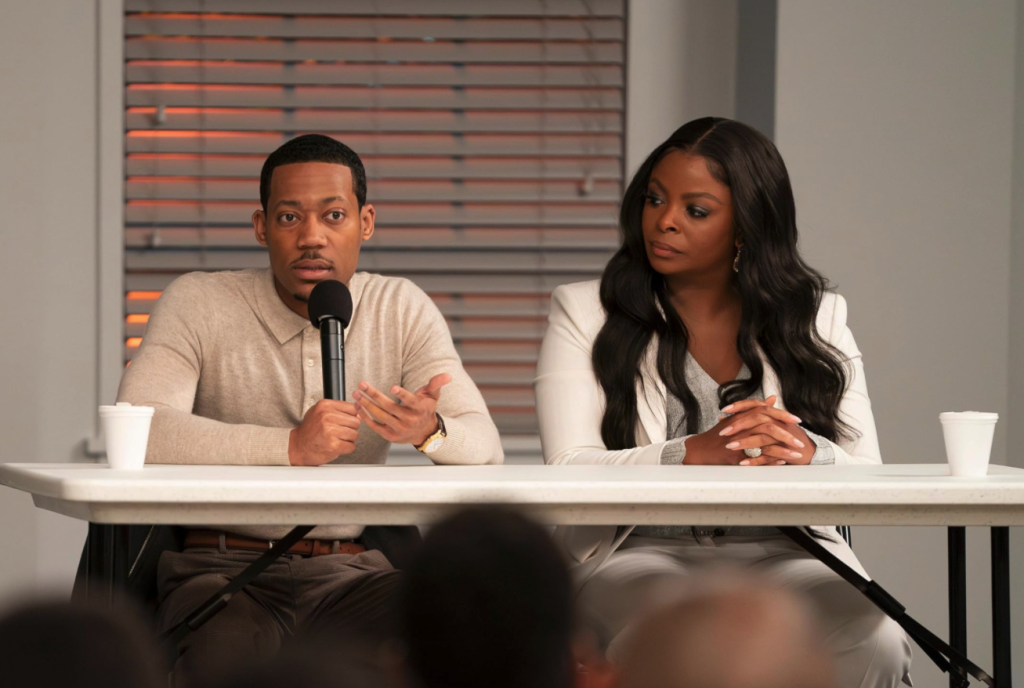
In the words of Principal Ava Coleman, “We have to win this panel.” (https://www.youtube.com/watch?v=1xlSTJjmEDw).

One episode of the ABC sitcom “Abbott Elementary” featured Principal Ava Coleman and her favorite teacher, Gregory Eddie, representing their school at a panel discussion that turns into a competition. Every response delivered was scored based on the audience’s enthusiastic nods and applause, or lack thereof.  Ava was feeling especially motivated, given that her competition was her nemesis and former sorority sister Krystal, the principal from another Philadelphia school.

While this idea of competing to win a panel discussion makes for a humorous sitcom premise, it raises a good question:  What would it look like to win a panel discussion?

What Does a Win Look Like?

Barbara Howard, a kindergarten teacher at the fictional Abbott Elementary offered this advice to Mr. Eddie, “The best response is the one given with a smile.”

That is generally sound advice, as a speaker who smiles appears friendly, warm, and approachable. However, if you’re giving a talk on mortality rates, you might want to save the smile for another time.  Context is important. Facial expressions should match the tone of the topic and your message points.

Mr. Eddie went to the panel with a rather apathetic attitude and the goal of talking with other educators saying maybe he could learn from them.

Learning is always admirable, but connecting with other panelists should not be your primary goal.

A panelist is there to deliver value to the audience. That doesn’t mean you can’t get to know your fellow panelists. In fact, it’s smart to reach out to them prior to the discussion to compare notes.  Repeating key points for the audience’s retention is one thing, but rehashing information is not helpful. Check out our previous post about this.

Focus on your audience’s needs. While it’s great for speakers to find common ground and mutual interest, you have an audience who came to learn something from you. Keep them engaged. You can always grab a drink after the event or schedule a follow-up coffee if you want to talk shop with fellow panelists.

Showmanship vs. Substance

If you’ve watched Abbott Elementary, you know that Principal Coleman is all about style. She could school anyone on glitz and glam, yet she struggled to compete with her counterpart in the panel discussion who shared anthems that rallied parents in the audience.

When asked what the single most important thing is about being a leader, Ava’s response of, “Showing up, looking good, and being on,” was met with silence.

While Krystal’s response of, “Being a leader means asking yourself: Would I follow me?” was met with fervent support and applause.

Slick, sound-bite style answers continued to win over the audience. Does that constitute a win?

Tech writer Aditya Kumar Singh wrote, “In an era driven by social media and instant gratification, the allure of showmanship in the tech and research industry is undeniable.”  While his article published on Medium.com on June 5, 2023 (https://medium.com/@sadityakumar9211/unmasking-the-showmanship-culture-in-the-tech-and-research-industry-all-glam-no-substance-25cc5fb11482), is about a specific industry, his words can apply to any industry.  He wrote “Underneath the glitz and glamour, however, lies a troubling reality: the absence of meaningful work. The showmanship culture often masks a lack of substantial achievements or tangible results. It fosters an environment where style triumphs over substance, and the focus shifts from genuine progress to mere appearances.”

The substance of your panel discussion content matters. That’s what your audience deserves, so bring your A game (no, that doesn’t stand for Ava).


Photo source: IMDB

Creating a Workplace Wellness Day That Truly Benefits Employees

Creating a Workplace Wellness Day That Truly Benefits Employees 918 581 I Need A Speaker

By Tricia Richards-Service

In today’s fast-paced world, where work often encroaches upon personal time, prioritizing employee well-being has become more critical than ever. As companies recognize the importance of fostering a healthy work-life balance, the concept of a “wellness day” has gained traction. But what exactly do employees want from a wellness day?

Gone are the days when a wellness day simply meant a break from work. Modern employees seek holistic experiences that rejuvenate their mind, body, and spirit. Here are some key elements that contribute to a fulfilling wellness day:

Flexibility: One size doesn’t fit all when it comes to wellness. Employees appreciate the flexibility to tailor their wellness day activities to suit their needs. Whether it’s attending a yoga class, spending time outdoors, or learning to cook healthy meals, the ability to choose enhances the sense of empowerment and ownership over their well-being.

Educational Opportunities: Wellness days present an excellent opportunity to educate employees about health and well-being. Workshops on stress management, nutrition, mindfulness, and work-life balance equip employees with valuable skills that they can apply both at work and in their personal lives.

Community Building: Encouraging social connections is essential for employee well-being. Group activities such as team sports, group hikes, or cooking classes foster camaraderie and strengthen bonds among colleagues. Building a supportive community within the workplace cultivates a sense of belonging and reduces feelings of isolation.

Unplugged Time: In today’s hyperconnected world, constant digital stimulation can take a toll on mental health. Providing opportunities for employees to disconnect from technology and engage in offline activities promotes mindfulness and relaxation. Encouraging employees to unplug, even for a few hours, allows them to recharge and return to work with renewed focus and energy.

Recognition and Appreciation: Acknowledging the importance of employee well-being sends a powerful message of appreciation. Recognizing employees’ efforts and contributions to the company’s success fosters a culture of gratitude and reinforces their sense of value within the organization.

Accessibility and Inclusivity: It’s essential to ensure that wellness day activities are accessible to all employees, regardless of their physical abilities or preferences. Offering a mix of indoor and outdoor activities, providing accommodations for individuals with disabilities, and considering dietary restrictions when catering food options demonstrate a commitment to inclusivity.

Sustainability: Incorporating eco-friendly practices into wellness day activities aligns with employees’ values and demonstrates corporate responsibility. Choosing sustainable venues, reducing waste, and opting for environmentally friendly transportation options contribute to a greener, healthier planet while promoting employee well-being.

Long-term Support: A single wellness day is a great start, but ongoing support is crucial for sustaining employee well-being. Providing resources such as Employee Assistance Programs (EAPs), mental health initiatives, and flexible work arrangements demonstrates a commitment to supporting employees’ holistic well-being beyond just one day.

Feedback and Continuous Improvement: Soliciting feedback from employees allows companies to continuously improve and refine their wellness day initiatives. Regular surveys, focus groups, or one-on-one conversations provide valuable insights into what employees say they value most and help tailor future wellness programs to meet their evolving needs.

A successful wellness day goes beyond a temporary break from work—it’s about empowering employees to prioritize their well-being and providing them with the tools and resources to lead healthier, more fulfilling lives both inside and outside the workplace.

Find your next wellness speaker, workshop facilitator, or laughter yoga leader through I Need A Speaker! Search our global directory or email info@ineedaspeaker.com for details, recommendations, and speaker availability.


Photo source: Canva

Privacy Preferences

When you visit our website, it may store information through your browser from specific services, usually in the form of cookies. Here you can change your Privacy preferences. It is worth noting that blocking some types of cookies may impact your experience on our website and the services we are able to offer.

Click to enable/disable Google Analytics tracking code.
Click to enable/disable Google Fonts.
Click to enable/disable Google Maps.
Click to enable/disable video embeds.
Our website uses cookies, mainly from 3rd party services. Define your Privacy Preferences and/or agree to our use of cookies.